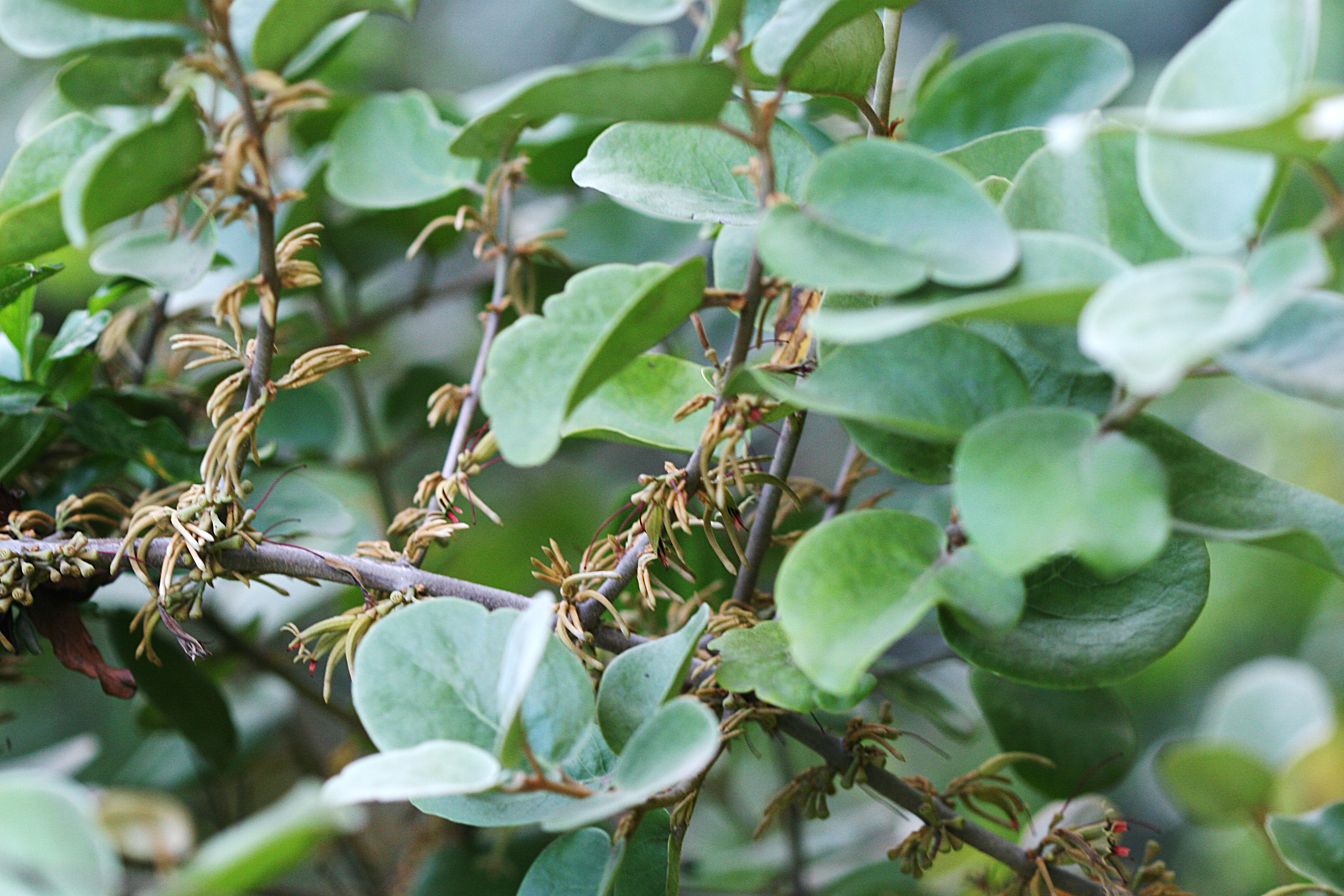
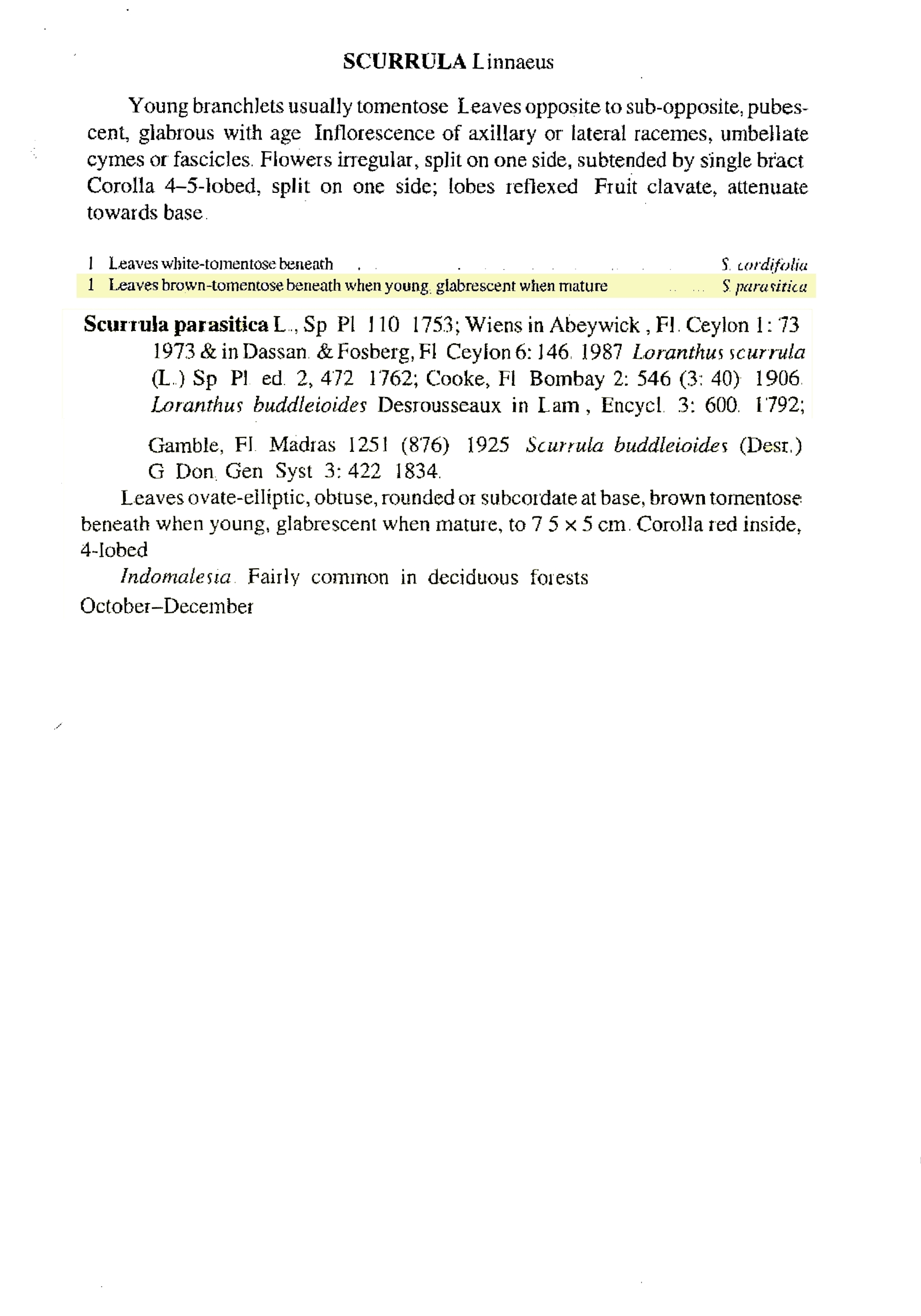
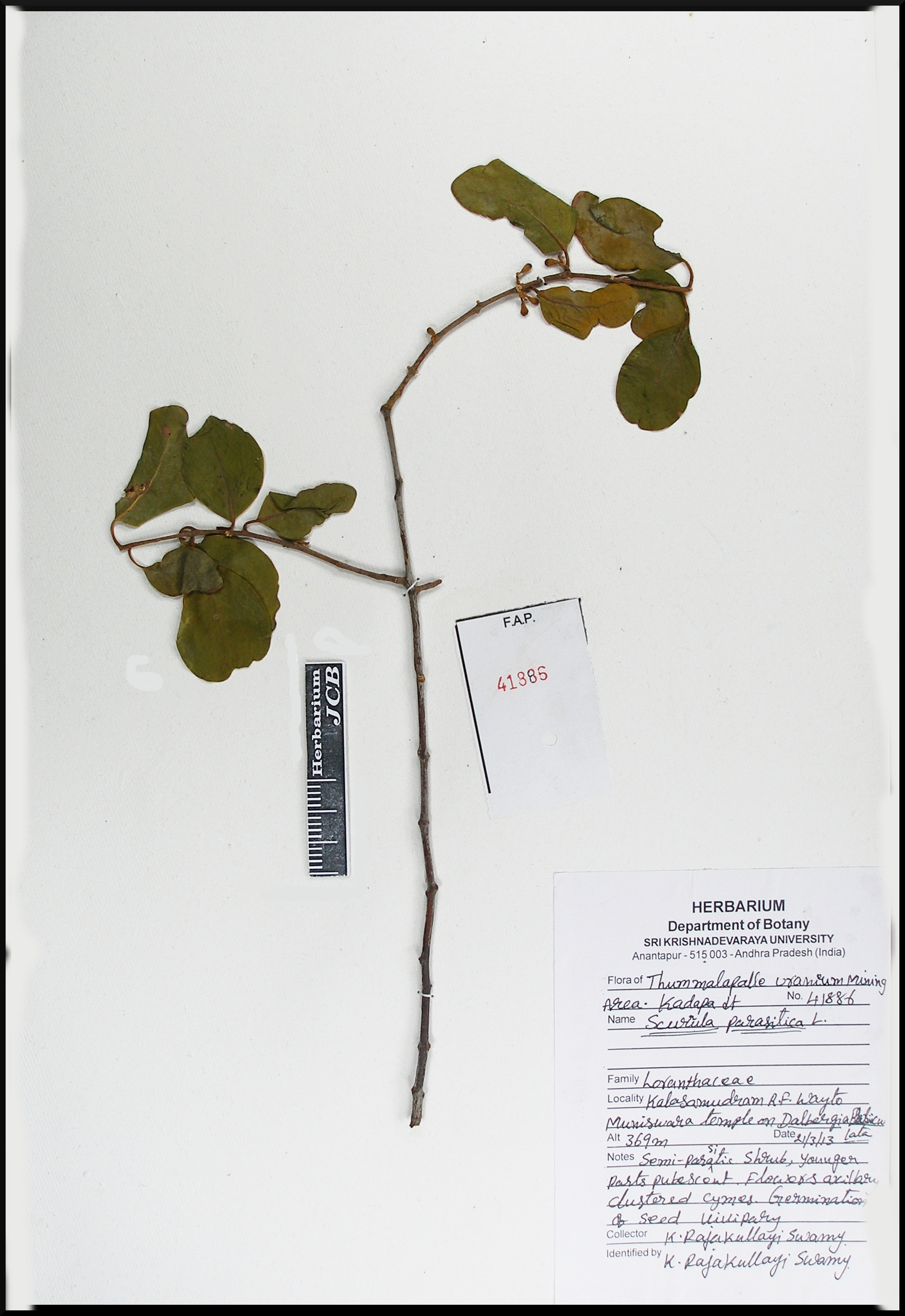
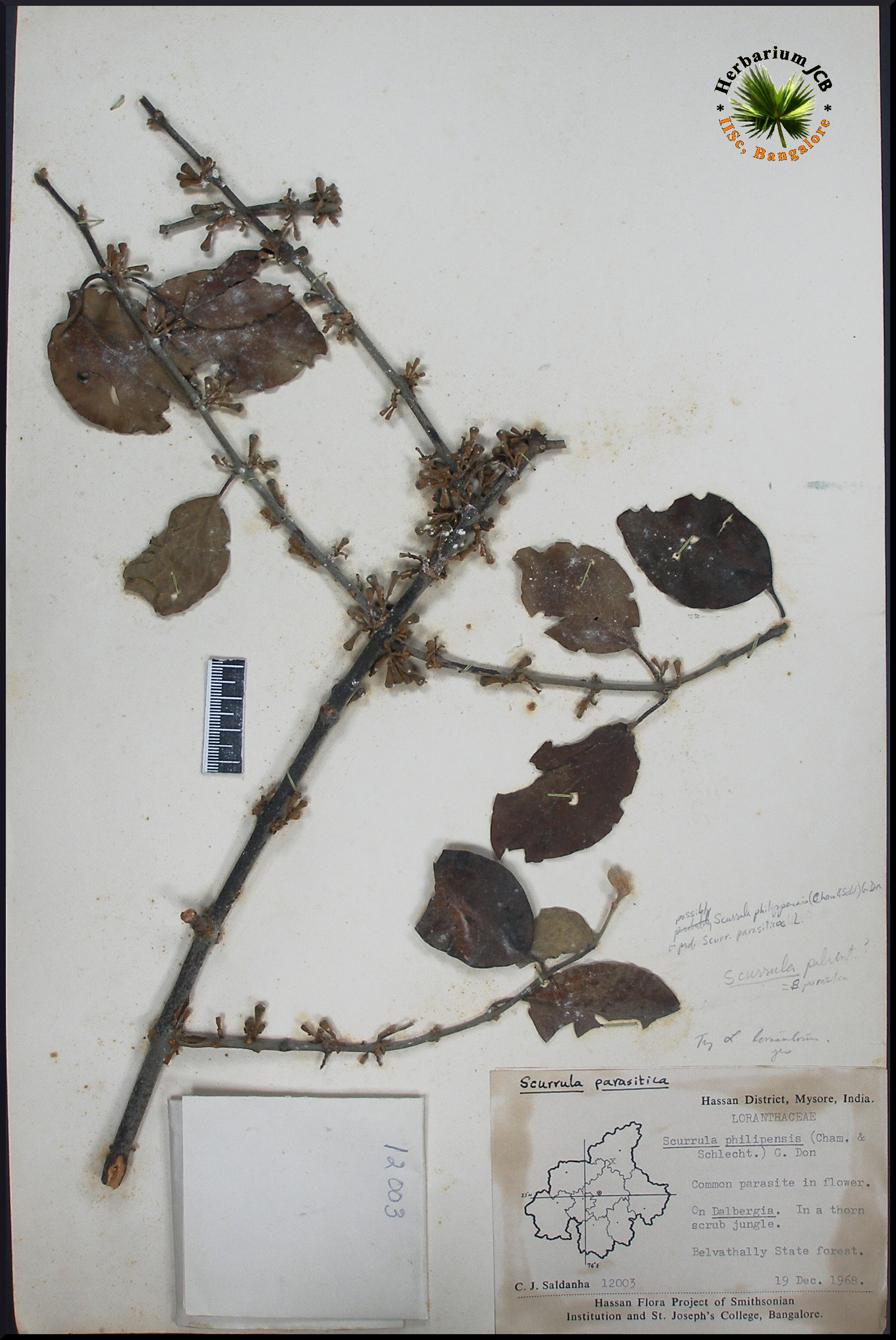
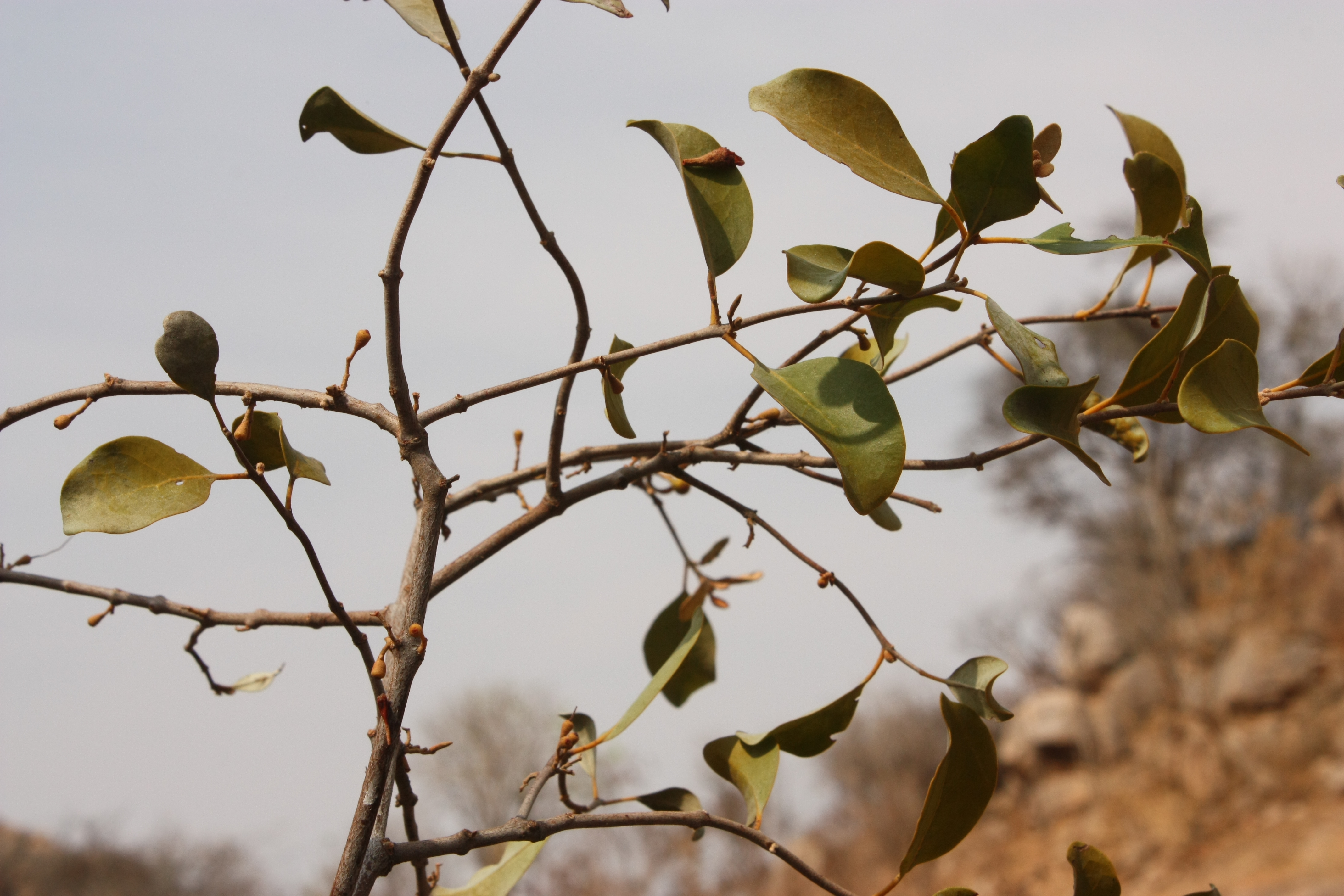
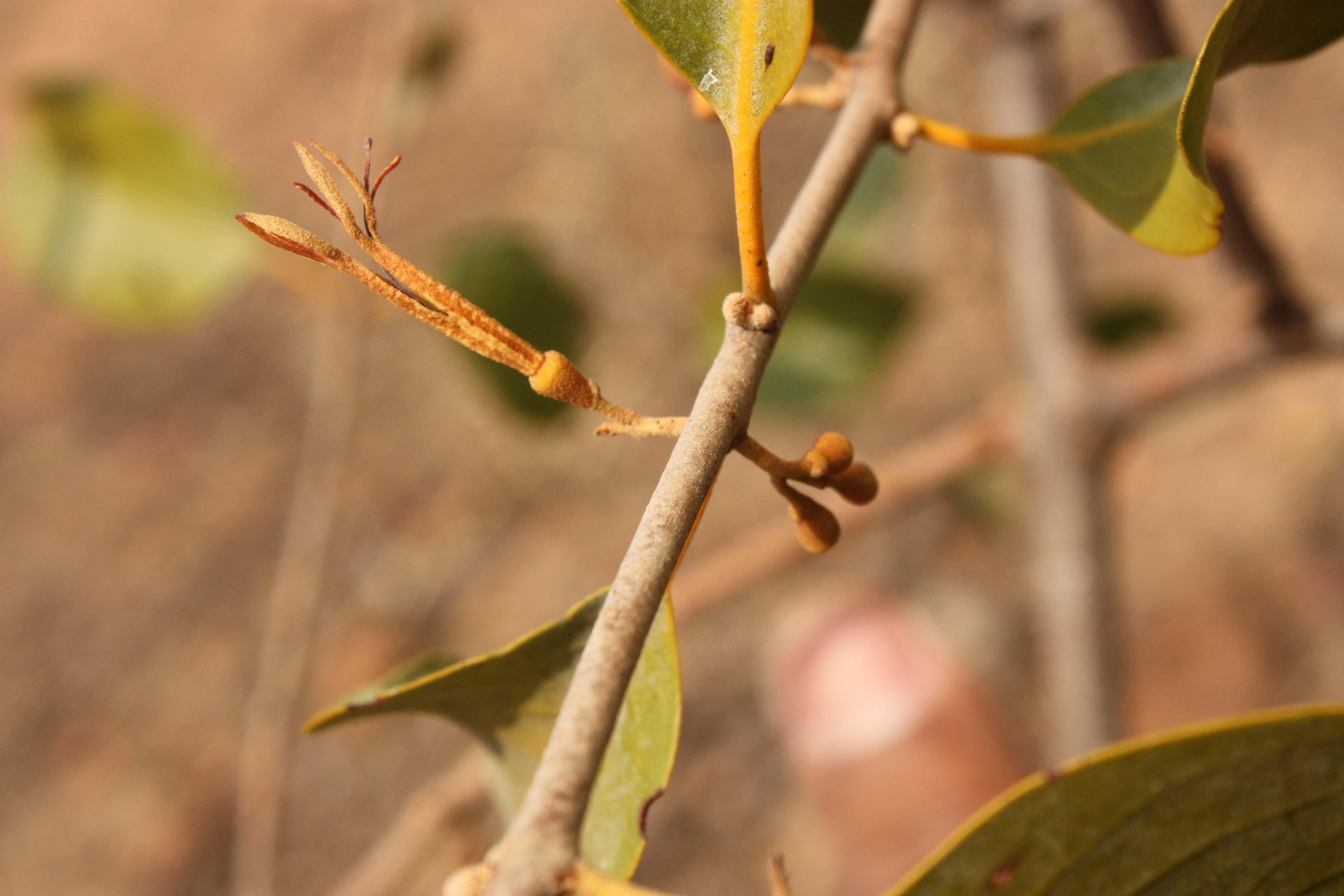
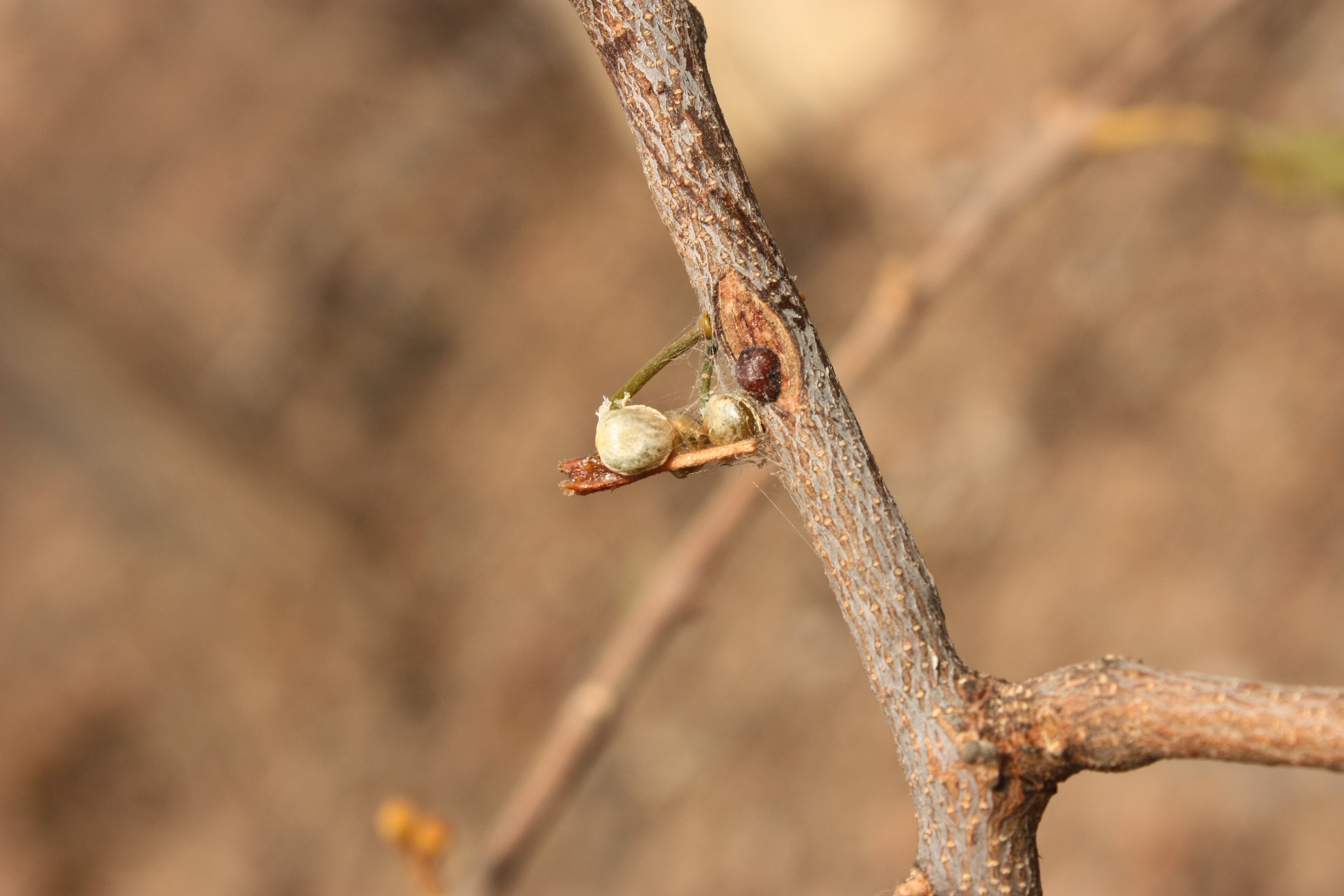
Scurrula parasitica L. |
||||||||||||||||||||||||||||
|
|
|||||||||||||||||||||||||||

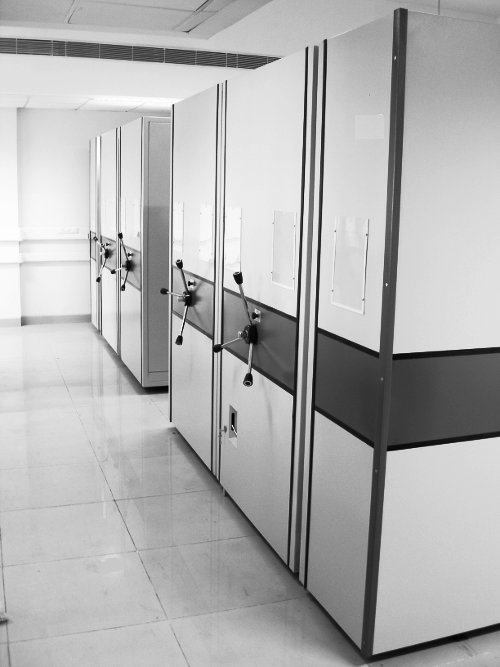
The Center for Ecological Sciences (CES), Indian Institute of Science houses a herbarium of a fairly large number of specimens of native and naturalized plants collected by many taxonomists and researchers. This herbarium is recognized internationally by the acronym ‘JCB’. The collection consists of more than 20,000 specimens, from vascular plants to lichens. The duplicates of the authenticated specimens have been deposited with herbaria of the Royal Botanic Gardens at KEW, UK and the Smithsonian Institution, Washington DC, USA. It is richest with plants from the state of Karnataka and the Western Ghats. Recent efforts have added further collection from the states of Maharastra, Tamil Nadu, Andhra Pradesh and Odisha. This herbarium probably is the only holding of plant specimens collected from all over Peninsular States other than the Central National Herbarium (CAL).
One important research activity in the herbarium has been to generate and organize vast amounts of information on the floral wealth of different regions of the country and then package it to suit the requirements of an online information system.
Further to launching the Digital flora of Karnataka, Digital flora of Eastern Ghats and the Flora of Peninsular India databases, the herbarium team has embarked on a broad regional study towards developing an online information system for the plant wealth in the country.
K. Sankara Rao,
Herbarium JCB,
Centre for Ecological Sciences (CES),
Indian Institute of Science (IISc),
Bangalore - 560012.
Phone: +91 80 22932506;
+91 80 23600985
E-mail: herbarium.ces@iisc.ac.in;
shankarrao@iisc.ac.in
How to upload contributions:
shankarrao@iisc.ac.in
New.jpg)